


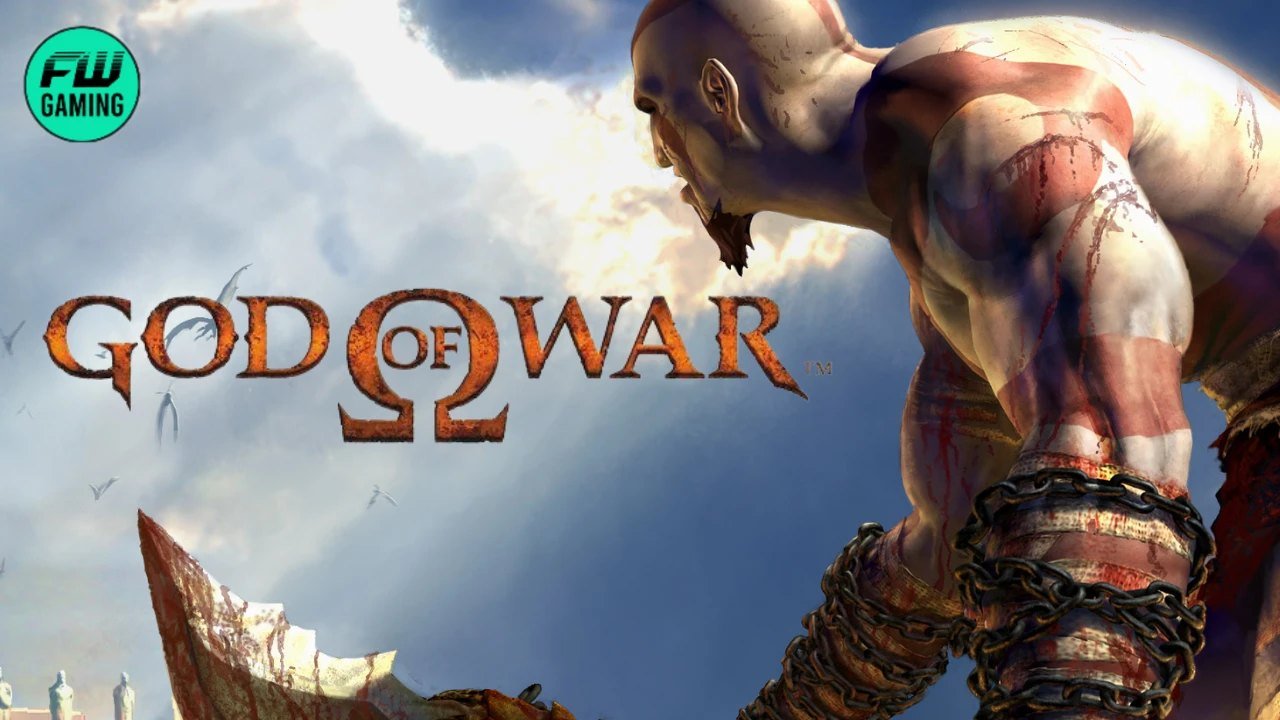
God of War: The Complete Story, Best Moments & Why It’s Still a Masterpiece
There are video games. Then there are experiences. And then - sitting in a category almost entirely its own - there is God of War. Whether you’re talking about Kratos ripping the wings off Icarus in the original Greek trilogy or the gut-punch emotional journey through the Norse realms that began with the 2018 reboot, this franchise has consistently delivered something that most blockbuster movies, prestige TV shows, and even comic book epics rarely manage: a story that genuinely makes you feel something.
If you’ve never played it, you’re missing out on one of the greatest narratives ever told across any medium. If you have played it, you know exactly why we’re here. Either way, buckle up - we’re going deep on the complete God of War story, its most legendary moments, and why this franchise remains an absolute masterpiece in 2026.
The Story So Far: From Greek Rage to Norse Redemption
The Greek Era - A Man Consumed by Vengeance
Kratos didn’t start out as the stoic, bearded papa bear we know today. The original God of War trilogy introduced us to a Spartan warrior consumed entirely by rage and grief. Tricked by Ares into killing his own wife and daughter, Kratos made a pact with the God of War himself, becoming his ruthless champion - only to be betrayed.
What followed was one of the most gloriously over-the-top revenge stories ever committed to a screen. Kratos literally tore his way through Mount Olympus, killing gods, titans, and anything else that stood between him and vengeance. Zeus. Poseidon. Hades. Hermes. Nobody was safe. The Greek saga was pure mythological carnage wrapped in stunning set-pieces, and it was glorious.
But here’s what made it more than just a button-masher: underneath all the chaos, there was a man who had lost everything and was so broken he didn’t know how to be anything other than a weapon. The tragedy of Kratos in the Greek era isn’t his anger - it’s that he’s right. The gods really did wrong him. And yet, his pursuit of vengeance destroys the entire world in the process. That’s not just action storytelling. That’s Greek tragedy in its purest form.
The Norse Era - A Father Trying to Be Better
Fast forward to 2018’s God of War reboot, and everything changes. Kratos is older, quieter, and living in the Norse realm of Midgard with his son, Atreus - a boy who doesn’t yet know his father was once a god. When Atreus’s mother (and Kratos’s wife) Faye dies, her final wish is for her ashes to be scattered from the highest peak in the Nine Realms.
What sounds like a simple father-son road trip becomes an odyssey through Norse mythology, ancient secrets, and one of the most emotionally layered relationships ever put in a video game. Kratos isn’t just fighting monsters now - he’s fighting his own past, his own nature, and his desperate need to protect his son without turning him into what he himself once was.
God of War: Ragnarök (2022) then pushed everything further, bringing the Norse apocalypse to its thunderous conclusion, introducing fan-favorite characters like Angrboda and Týr, and delivering one of the most satisfying narrative payoffs in gaming history.
The Best Moments in God of War History
Picking the “best” moments in God of War is like picking the best panel in a 20-year comic book run - almost impossible, deeply personal, and guaranteed to start arguments. But here are the moments that left the entire gaming community speechless:
- Killing Zeus (God of War III): After three games of build-up, Kratos finally catches up to his father and beats him to death with his bare hands. The camera pulls back to show the broken, ruined world around them. It’s cathartic, horrifying, and magnificent all at once.
- “Boy.” - The entire 2018 game: Kratos’s single-word address to Atreus became a meme, but it’s also a masterclass in character writing. Every time he says it, you understand more about a man who literally doesn’t know how to love his child out loud.
- The Stranger fight (2018): The very first boss encounter of the 2018 reboot drops you into a brutal, relentless brawl that immediately establishes the new tone. No warmup. No tutorial padding. Just pure, primal combat that announces: this isn’t your old God of War.
- Atreus finds out he’s a god (2018): When Kratos finally tells Atreus the truth about what they are, the scene is heartbreaking and complicated in all the right ways. Atreus’s reaction - briefly becoming arrogant and reckless - shows that power without wisdom is the exact cycle Kratos is trying to break.
- Brok and Sindri’s arc (Ragnarök): Without spoiling it, the journey of the two dwarf brothers in Ragnarök ends in one of the most emotionally devastating moments in the franchise. It hits harder than most deaths in the MCU, and that’s saying something.
- Kratos vs. Thor (Ragnarök): Two absolute legends of mythology trading blows. The fight is everything fans dreamed of - and the way it resolves is smarter than anyone expected.
Why God of War Is a True Masterpiece
It Treats Its Audience Like Adults
One of the biggest reasons God of War stands above so many other action franchises is that it never talks down to its audience. The themes - grief, generational trauma, the cycle of violence, what it means to be a good parent when you’re built for destruction - are heavy, complex, and sometimes uncomfortable. The game doesn’t wrap everything in a neat bow or give you easy answers.
Kratos is not a hero in the traditional sense. He’s a man who did monstrous things, is trying to be better, and isn’t always sure he deserves to be. That ambiguity is rare in big-budget entertainment, and it’s what elevates God of War from “awesome game” to “genuine art.”
The Father-Son Dynamic Is Unlike Anything in Gaming
The relationship between Kratos and Atreus is the emotional engine of the entire Norse saga, and it’s handled with extraordinary nuance. Think about the superhero genre for a moment - how often do we see a mentor-protégé relationship where both characters fundamentally change each other? Where the student’s growth actively forces the teacher to confront who he used to be?
Kratos learns to open up through Atreus. Atreus learns restraint through Kratos. Neither of them becomes the other - they grow together while remaining distinct. It’s the kind of storytelling that would feel at home in a prestige drama or a critically acclaimed graphic novel series. In a video game where you’re also smashing frost giants with an axe, it’s remarkable.
The World-Building Is Staggering
From the intricate design of the Nine Realms to the deeply researched Norse mythology woven into every corner of the world, God of War is a love letter to mythological storytelling. The game takes liberties - obviously - but the liberties it takes are always in service of the story and characters rather than spectacle for its own sake.
For fans of epic world-building à la the MCU’s Asgard or anime series like Attack on Titan or Vinland Saga, the Norse God of War saga scratches exactly that itch. Every realm feels lived-in, every character has a history, and every legend referenced has weight.
The Combat Is Poetry in Motion
Let’s not forget: this is also just an incredibly fun game to play. The shift from the original hack-and-slash style to the more grounded, tactical combat of the 2018 era was controversial at first, but the Leviathan Axe - Kratos’s primary weapon - became one of gaming’s most iconic tools almost immediately. Throwing it, watching it freeze an enemy solid, and then recalling it like a Nordic boomerang never, ever gets old.
The combat system rewards creativity, punishes carelessness, and scales beautifully from the very first encounter to the final boss. It’s the kind of system that feels accessible enough for casual players but deep enough to satisfy hardcore gamers who want to master every mechanic.
Where Does God of War Go From Here?
With the Norse saga wrapped up after Ragnarök, the big question is: what’s next for Kratos? Santa Monica Studio has confirmed that the franchise isn’t done - and fan speculation has run wild. Egyptian mythology? Aztec? Slavic? Each possibility is genuinely exciting, because the creative team has proven they can take any mythological framework and turn it into something deeply personal and emotionally resonant.
Update, October 4, 2026: The next game is God of War Laufey, out February 16, 2027 on PS5. Kratos’s late wife Faye is the playable lead, taking on other gods of war, including Egypt’s Sekhmet, in an afterlife of the gods called the Everywhen. A remake of the original Greek trilogy, announced in February 2026, is also in early development. Our God of War Laufey guide has everything confirmed so far.
Whatever comes next, the legacy of God of War is already secure. In a landscape full of sequels, reboots, and franchise extensions, it stands as proof that bold creative vision, genuine character depth, and masterful execution can transform even an established IP into something truly extraordinary.
Final Verdict: A Legacy Carved in Stone
God of War isn’t just a great video game franchise. It’s a great story - full stop. It sits comfortably alongside the best of what the MCU has offered, the emotional gut-punches of peak anime storytelling, and the mythological grandeur of the comic book universes we’ve spent decades loving. Kratos went from a symbol of unchecked rage to one of the most compelling redemption arcs in modern fiction.
If you’ve been sleeping on this franchise, there has never been a better time to start. And if you’re already a fan - you already know. This one’s for the history books.
Now if you’ll excuse us, we’re going to go throw an axe at something.
Sources for this update: Wikipedia, PlayStation Blog, Push Square.
Related on Lazybatman: God of War Ragnarök: Full Breakdown, Ending Explained & What Comes Next for Kratos · God of War Trilogy Remaster Rumored to be in the Works
Discover more from Lazybatman
Subscribe to get the latest posts sent to your email.