


Every Avengers movie asks the same question: how do the heroes win? The Doomsday ending theory making the rounds on Reddit asks a much better one: what if they don’t - on purpose? Not defeated. Not outsmarted. What if the Avengers look at the dying multiverse, look at Doom’s plan, and choose to let him win - because his plan is the only one that saves anybody at all?
The Doomsday ending theory in one sentence
The multiverse is collapsing, nothing can stop it, and Doom’s Battleworld - a patchwork planet welded together from the salvageable pieces - is the only lifeboat; the “unthinkable decision” the trailer warns about is the heroes agreeing to get in.
The evidence hiding in the trailer
Watch it again with the Doomsday ending theory in mind:
Three things jump out. First, Doom’s voiceover isn’t a villain monologue - it’s a briefing. “Something’s coming,” he warns, “something we may not be able to deter,” and “before this day is done, we shall be faced with an unthinkable decision.” That’s not a threat; that’s a man presenting the only item on the agenda. Second, Thor - a thousand-year-old god - gives the assembled heroes a bleak speech about all the warriors he has seen fall, which tells you the writers want us to believe a clean win isn’t on the table. Third, and most interesting: the heroes spend a suspicious amount of this trailer fighting each other. Gambit versus Shang-Chi. Mystique versus Yelena. If the story were “everyone versus Doom,” why is the roster at war with itself? The Doomsday ending theory has an elegant answer: they’re not fighting about Doom. They’re fighting about whether to accept his deal.
The comics already did it - and it was a masterpiece
This is the part casual fans don’t know: in the 2015 Secret Wars comic - the exact story the next Avengers movie is named after - the heroes lose. The incursions eat the entire multiverse. The final battle between the last two Earths fails. Everything dies. Doom - armed with stolen god-power - salvages fragments of dead universes and builds Battleworld, ruling it as God-Emperor for years while a handful of surviving heroes hide, regroup, and eventually rebel.
The lesson Marvel learned from that book: total defeat isn’t the end of the story. It’s the premise of the next one. If Doomsday ends with Battleworld rising, then Secret Wars (December 17, 2027) isn’t a sequel - it’s the rebellion.
One missing piece: rebuilding requires an engine. That’s where Franklin Richards comes in - the child who can build universes, and the subject of our companion deep-dive.
Why Marvel would actually do this
Because the Doomsday ending theory is really just the Infinity War playbook with higher stakes - they’ve already done it, and it printed money. Infinity War ended with the villain winning completely - half the universe dusted, roll credits - and it’s remembered as one of the boldest blockbuster endings ever. The two-part structure practically demands a devastating first act. And notice who’s missing from everything we’ve seen: no Spider-Man, no Doctor Strange, no Captain Marvel, no Deadpool. One popular read is that the absentees are the designated survivors - the raft, kept off the board so someone’s left to lead the uprising in 2027.
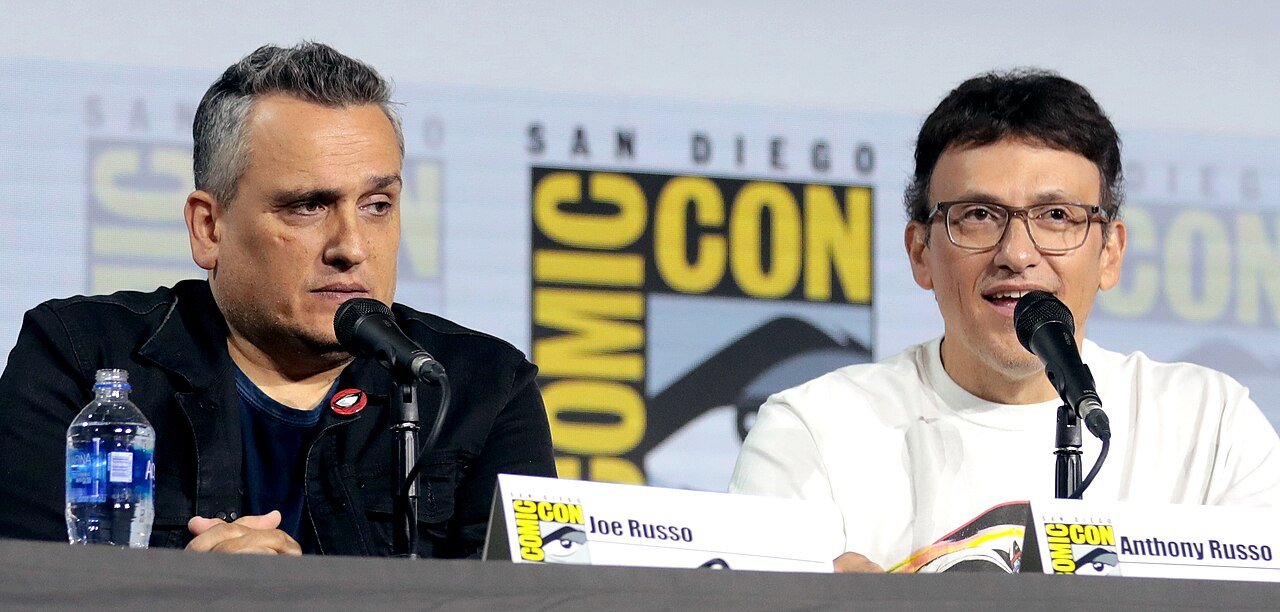
And the Russos are the right directors for it. These are the filmmakers who ended Infinity War on a farm at sunset with the villain at peace. A movie where the heroes’ “defeat” is actually a gut-wrenching choice - surrender as the last heroic act available - is exactly their brand of ending.
The counter-case
The honest objections: pulling the villain-wins ending twice risks feeling like a rerun of the Snap. Marketing is selling unity and hope, not surrender - though marketing lied to us about Chris Evans for months, so weigh that accordingly (see our Hydra Cap deep-dive for how little the marketing can be trusted). And there’s a difference between “the heroes lose” - which many fans expect - and the stronger claim of this Doomsday ending theory: that they lose by choice. The second version needs the movie to sell an impossible moral math problem, which is a big swing even for a three-hour epic.
Our verdict
We’re buying this Doomsday ending theory - mostly. Call it 70/30 that Doomsday ends in some form of defeat, and 50/50 that the defeat is chosen rather than suffered. The tell to watch: Battleworld. If Saturday’s Comic-Con panel or the next trailer shows patchwork geography - chunks of different worlds stitched together - this Doomsday ending theory graduates from Reddit thread to spoiler. The fandom that lost its mind at the announcement may not be ready for a December where the bad guy simply… wins.
Would you respect Marvel more or less for ending Doomsday with a surrender? Comments are open - argue nicely.
Correction, September 26, 2026: an earlier version misquoted Doom’s voiceover and said Thor admits he is scared in the trailer. The quotes above are now exact, and Thor’s speech is about the warriors he has seen fall.
Sources and further reading: Kotaku’s theory roundup, Bamfuzzle, rumor roundup via AOL.
Image credits: trailer video © Marvel Studios / Disney, used for editorial commentary. Russo brothers photo by Gage Skidmore, licensed under CC BY-SA 3.0.
Discover more from Lazybatman
Subscribe to get the latest posts sent to your email.